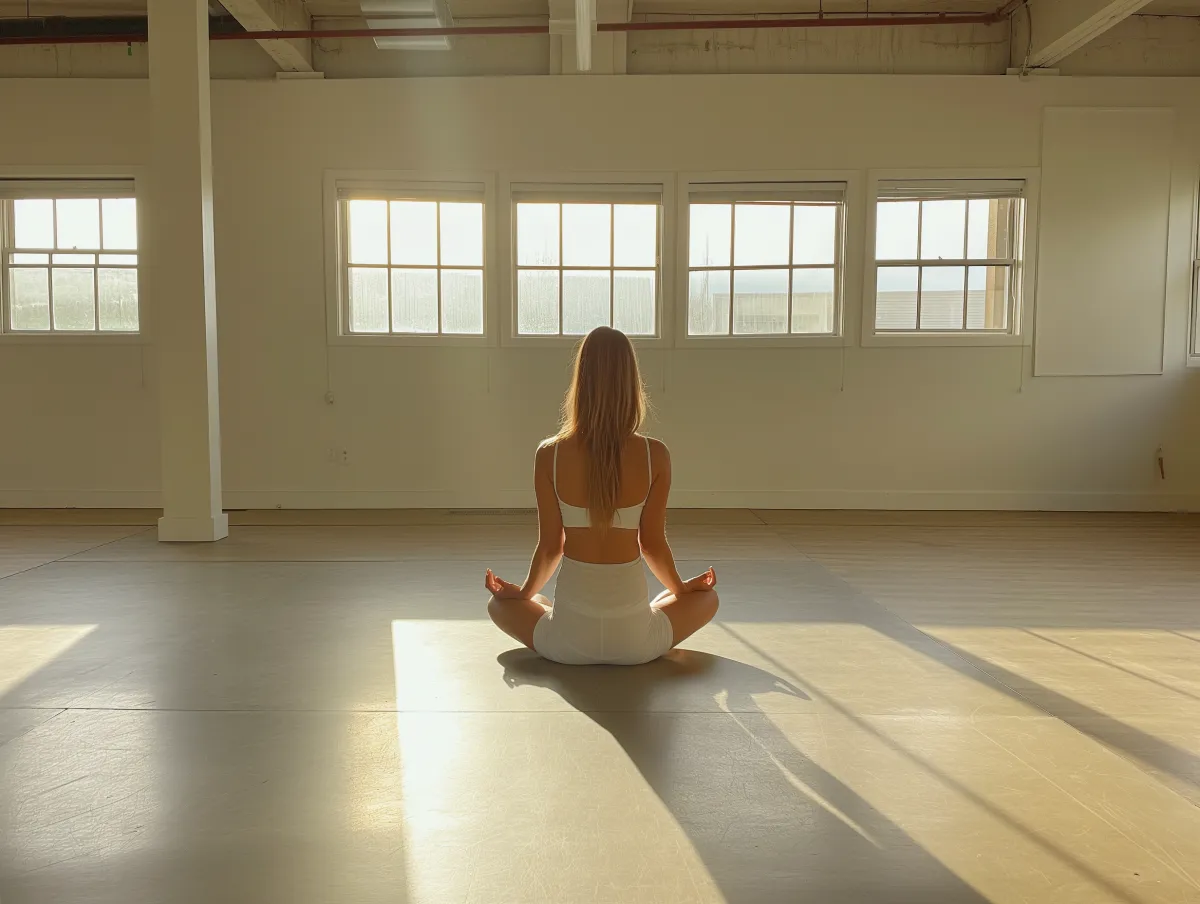
Getting Started Steps

A surprising approach: less is often more

1

Start With Realistic Movement Goals

2

Use Everyday Routines to Build Consistency

3

Reflect and Adjust Weekly

Begin Without Burnout

1

Start With Realistic Movement Goals

Forget what you see online—starting with small, specific goals actually keeps you moving longer and safer.

Forget what you see online—starting with small, specific goals actually keeps you moving longer and safer.

Choose something enjoyable and attainable, not just challenging for its own sake. Even a brisk walk can be a powerful first step.

If you feel discomfort or pain, slow down or adjust. Consult your physician before beginning any new regimen.

  • Commit to two enjoyable short walks this week.
  • Stretch for five minutes before and after activities.
2

Use Everyday Routines to Build Consistency

Leverage daily habits, like taking stairs or walking to meetings, as no-pressure opportunities for extra movement.

Leverage daily habits, like taking stairs or walking to meetings, as no-pressure opportunities for extra movement.

Routine activity reduces barriers and builds endurance quietly. Let physical activity blend into your schedule naturally.

No step is too small. Consistency is more important than intensity for long-term health.

  • Identify regular opportunities to add five minutes of movement.
  • Pair activity with routines you already enjoy.
3

Reflect and Adjust Weekly

Progress rarely follows a straight line. Review what worked, what felt good, and plan your next steps thoughtfully.

Progress rarely follows a straight line. Review what worked, what felt good, and plan your next steps thoughtfully.

Acknowledging small wins builds confidence, even if routines need fine-tuning over time. Adjust as your needs and interests evolve.

Your guide isn’t a rigid rulebook—adapt progress markers to your unique situation.

  • Record how you felt after each routine.
  • Set a gentle goal for the upcoming week, not a quota.
Routines To Make It Stick

Most think running is required, but easy walking and gentle movement count too.
Group of adults walking outdoors together

Walking For All Levels

Walking is practical, accessible, and fits any schedule. Whether brisk or relaxed, it fosters cardiovascular health and encourages movement without pressure. Start with ten-minute walks or include strolls after meals to add gentle, regular activity.

Mid-age woman stretching on floor at home

Gentle Mobility and Stretching

Mobility routines enhance joint comfort and keep muscles flexible, helping you avoid aches. Gentle stretches in the morning or evening can improve mood and complement walking. Use a chair or mat for additional support if needed.

Hand writing progress checklist in a journal

Simple Progress Trackers

You do not need an app to measure progress. A journal or a printable weekly checklist works fine. Recording activity, energy, and sleep helps you notice real gains and maintain motivation without technology hassles.

From Zero to Lasting Habit

Most burnout happens because people try to overhaul their lives overnight. A stepwise, forgiving approach sticks better and feels less intimidating—even if you miss a day now and then.

Start Small and Repeat

Creating a habit isn’t about perfection. Begin with simple, consistent actions, and let comfort grow before adding challenges.

Repeat activities at set times to anchor your routine.
2
Celebrate Incremental Progress
Notice the first positive changes—like improved sleep or mood—before you focus on major gains. These small wins reinforce your commitment.
Reflect weekly to reinforce new habits.

Adapt and Continue

When routines become easier or life shifts, gently increase duration or try a new activity. Consistency means adapting, not stagnating.

Adjust plans as needed to keep enthusiasm high.

Move With Less Friction

Sustainable activity is easier than you think.
Motivation

Pair Movement With Enjoyment

Listen to favourite music or chat with a friend as you move. Enjoyable activity becomes consistent activity.

Pair Movement With Enjoyment

Listen to favourite music or chat with a friend as you move. Enjoyable activity becomes consistent activity.

Flexibility

Plan For Real Life

Allow routines to shift if you’re busy or tired. Modify, swap, or rest as needed; it’s all part of the process.

Plan For Real Life

Allow routines to shift if you’re busy or tired. Modify, swap, or rest as needed; it’s all part of the process.

Practicality

Prioritize Comfort Everyday

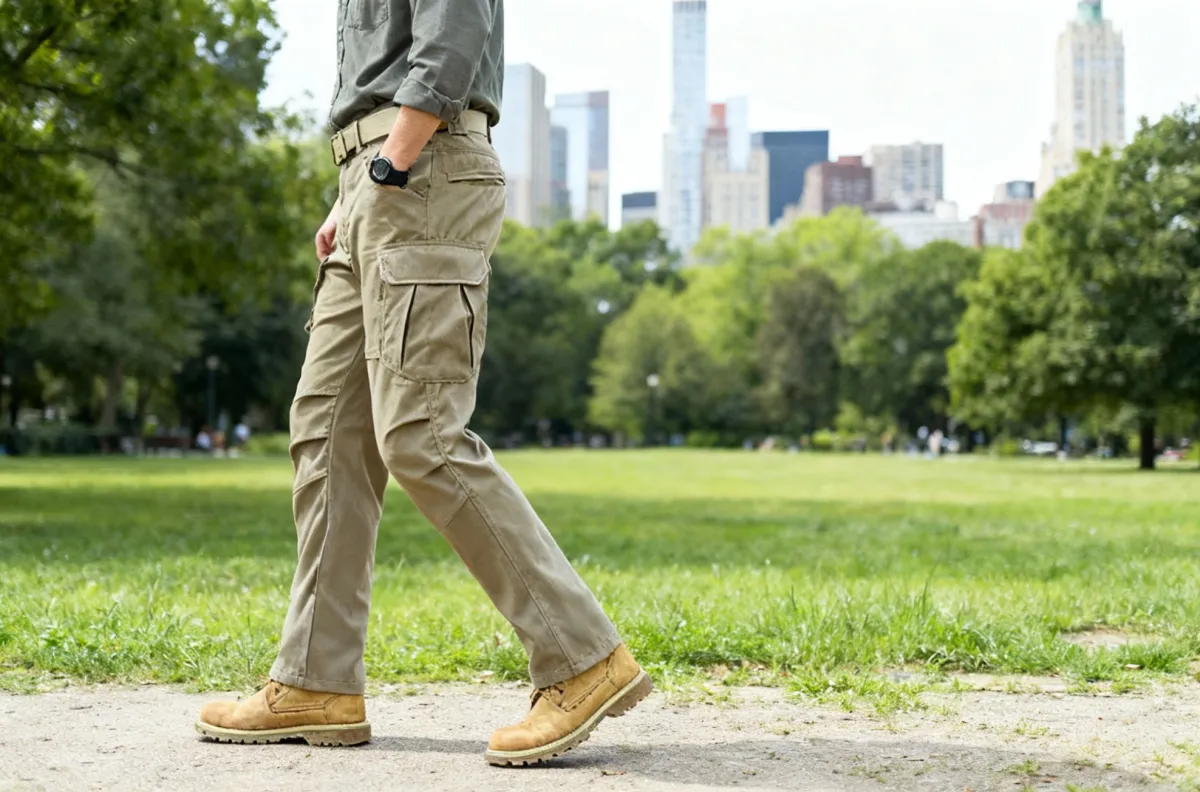
Wear supportive shoes and clothes to prevent discomfort. The right gear can keep you active longer with less risk.

Prioritize Comfort Everyday

Wear supportive shoes and clothes to prevent discomfort. The right gear can keep you active longer with less risk.

Reflection

Track Energy Trends

Chart improvements in mood or sleep—not just time spent moving. These changes matter just as much as physical results.

Track Energy Trends

Chart improvements in mood or sleep—not just time spent moving. These changes matter just as much as physical results.

Cookies Used to Enhance Experience

We use cookies for essential features and anonymous improvement tracking. Your preferences matter—see details or adjust settings at any time.

Functional Cookies

Remember preferences and smoothen site experience.

Analytics Cookies

Support site improvements using anonymous data.